- Home
- About Seiso
-
Courses
Communication Skills
Customer Service
Personal Development
Productivity Skills
Training of Trainers (ToT)
- online courses
- Testimonials
- Blog
- Contact us
I recently sat across from an executive facing mandatory retirement. After decades of navigating market crashes and mergers, he was clear: "People see the gray hair, but they miss the fire still in the engine." He was right. We often mistake a long resume for a finished story, or physical markers of time for a decline in capability. The most formidable leaders are defined by their refusal to exit the arena.
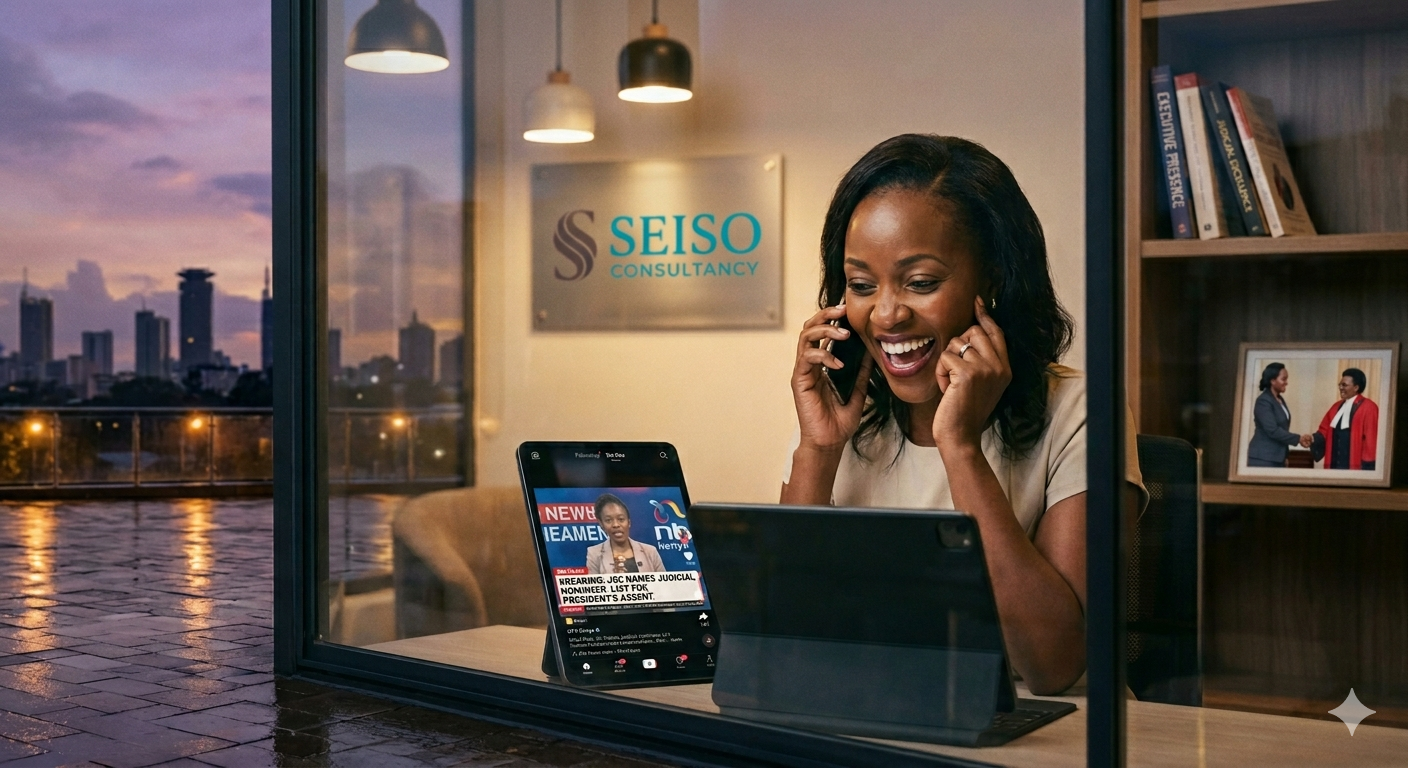
Last month, I wrote about the "Undeniable" factor—that rare, razor-sharp edge that elevates a high-achieving professional from "highly qualified" to the absolute choice. I recently had the privilege of preparing a distinguished candidate for a high-level judicial appointment.
In high-stakes interviews, technical brilliance is rarely the deciding factor - it is the baseline. By the time you reach a high-profile panel, your credentials have already been vetted. The panel is no longer checking if you can do the job; they are gauging your temperament and your fit for the gravity of the office.
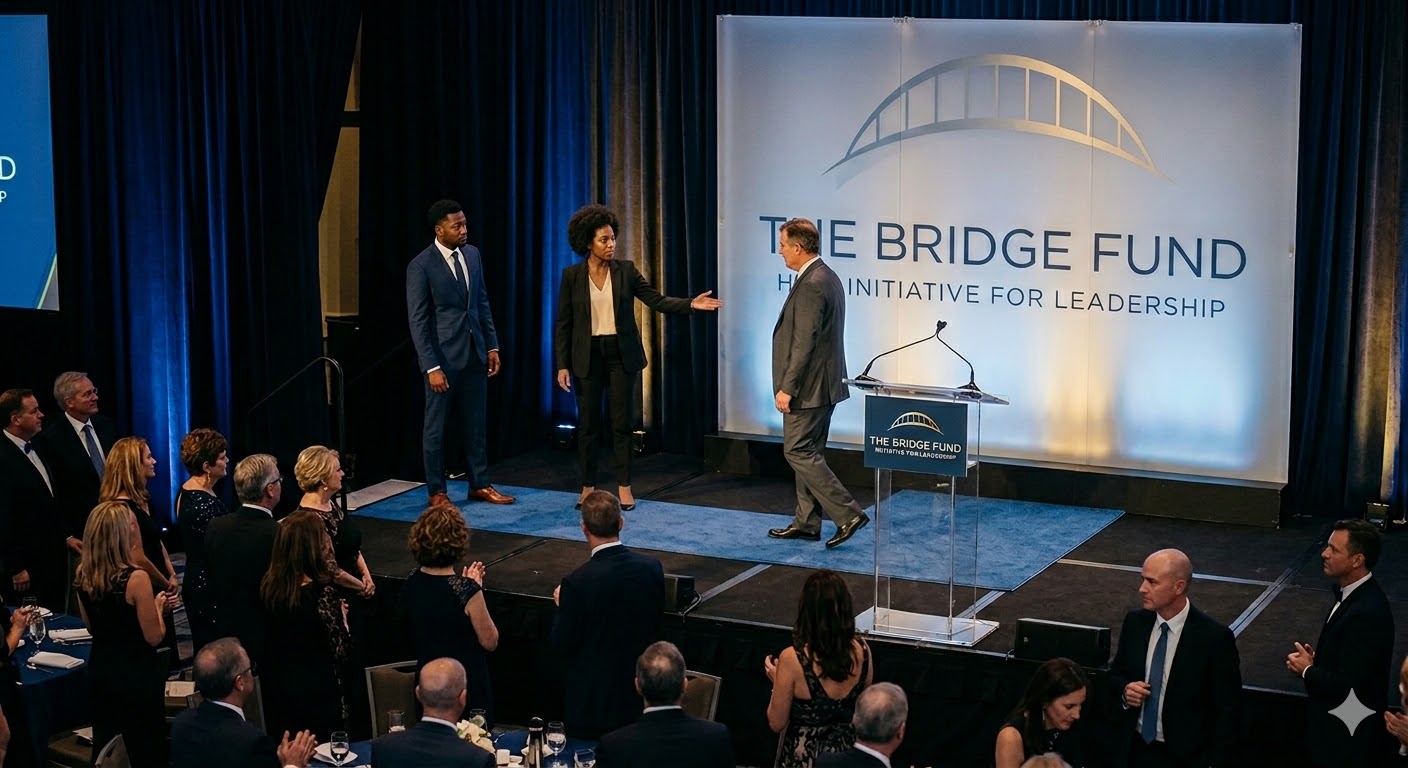
The plan was flawless - until the final session of our major fundraising gala. As Lead Coordinator, my role was to ensure a seamless experience for our donors. The protocol was simple: our Keynote Executive would stand at the front alongside Marcus, a junior Associate. Marcus represented the very rising talent this fund was designed to support; he was the symbolic bridge between our organization’s legacy and its future.
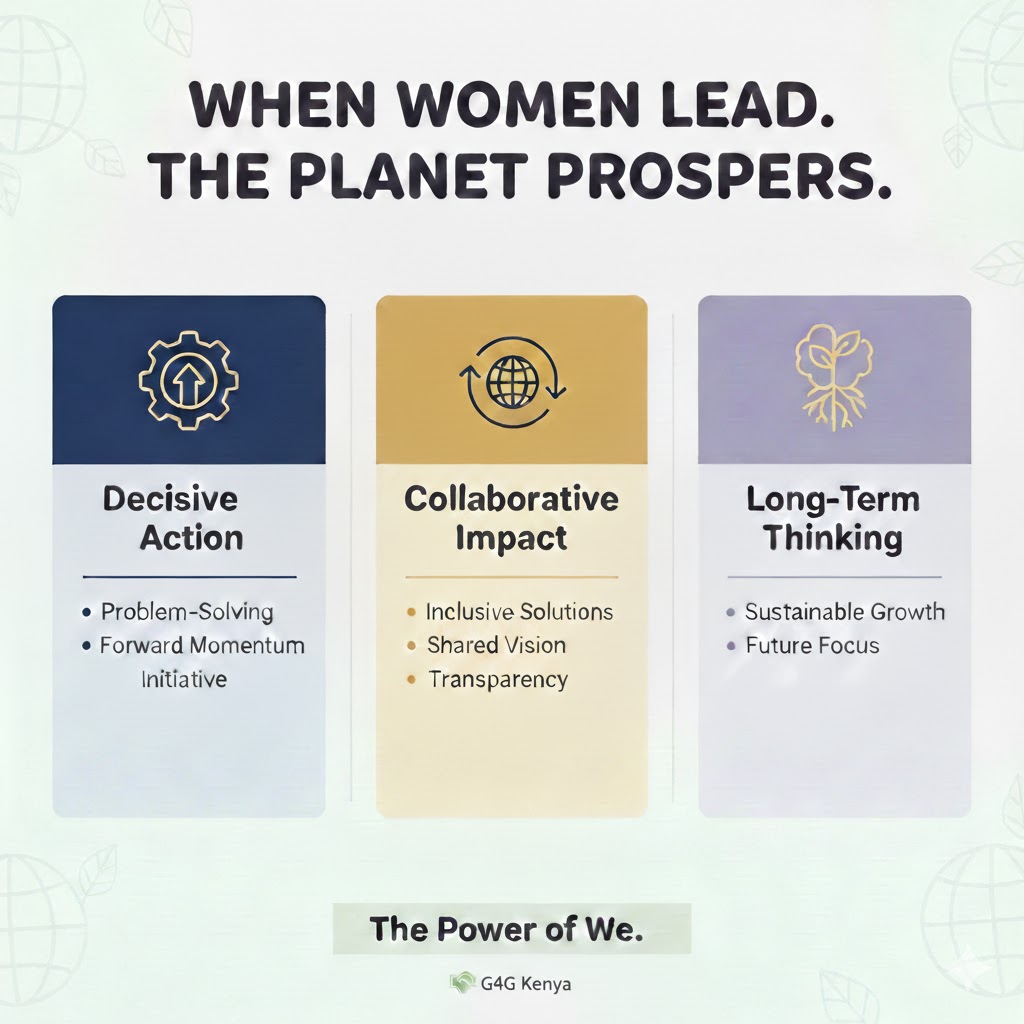
On a recent Saturday, I found myself in a room full of exceptionally capable women. We were gathered for a meeting, but the morning hadn't gone quite to plan. Our Chairlady was unwell, and the Secretary was running late. The meeting was at a standstill. A lady eventually volunteered to chair, but when she asked for someone—anyone—to take the minutes, the room fell into a heavy, dead silence. I sat there and smiled. My mind immediately went to the tenets of the Girls 4 Girls (G4G) Kenya mentoring program. In our work, we constantly talk about the importance of women taking up leadership positions, yet here was a real-world example of how easily we hesitate when the "official" roles aren't filled.

I have been re-reading Chapter 1 of "How Women Rise" by Sally Helgesen and Marshall Goldsmith. It explores the concept of "Where You Are Coming From," contrasting the "Stickler" (who thrives on rules and precision) with the "Spontaneous" leader (who excels at adapting in the moment). In my professional life, I have leaned heavily into being a Stickler. Precision, discipline, and a deep respect for the "rules" have served me incredibly well - they are the foundation of my reliability.
The expression "stop and smell the roses" is not simply about flowers, but rather about how to slow down and notice the little things that make life worthwhile. In today's hustle and bustle, it is easy to move through the day disconnected from our capacity as humans. Simple ways you can follow so that you can stop and smell the rose.
The one-way video interview is on the rise: companies like Apple, Twitter, Google, UBS and many more use a one-way video interview at some point in their hiring process. Some estimates have seen a nearly 30% increase in the use of pre-recorded interviews in the last year. While one-way interviews are a great time-saving tool for recruiters, they can be an awkward experience for the candidate.
How many times do we feel bad about not doing what we were supposed to do and easily blame it on the other person? More often than not it is lack of confidence that makes us behave that way. So, what are some of the simple steps we can take to build our confidence?